
Dental pain doesn’t wait for a convenient time, and neither should your emergency care. Dr. Kevin Chidester, DMD, and the team at Maplewood Family Dental understand how frightening and disorienting a dental emergency can feel, whether it’s sudden tooth pain, a knocked-out tooth, or a broken restoration. Dr. Chidester brings advanced training from Tufts University School of Dental Medicine and a genuine commitment to patient comfort, making sure you receive prompt, effective care when you need it most. You deserve fast relief and clear answers, not uncertainty.
Emergency Care (Including Extractions)
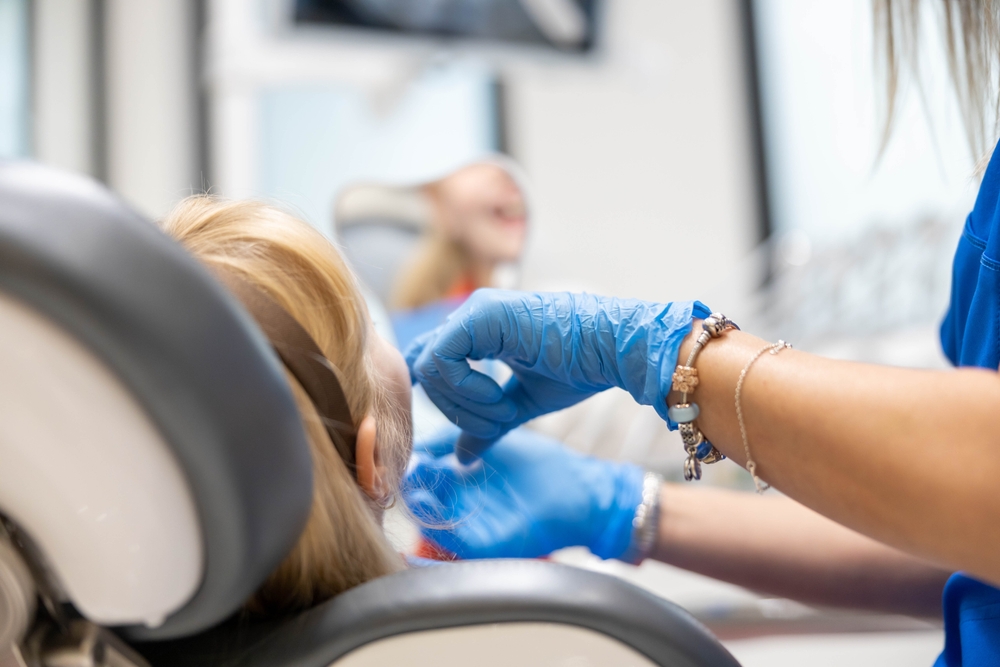

Types of Situations We Treat as Dental Emergencies
Not every dental problem needs same-day care, but some absolutely do. Severe toothaches, dental abscesses, cracked or fractured teeth, knocked-out teeth, and soft tissue injuries are all situations where waiting even a day or two can lead to serious complications. Lost or broken restorations that expose a nerve also fall into this category. The pain can be intense, and the underlying tooth becomes vulnerable the longer it goes unprotected.
Tooth extractions become part of emergency care when a tooth is too damaged, decayed, or infected to be saved through other treatment. This applies to teeth that have broken below the gum line, teeth with infections that have progressed beyond what a root canal can address, and cases where severe crowding is contributing to acute pain or damage. These aren’t situations to manage with painkillers and hope. They require direct treatment to stop the problem at its source.
Benefits of Emergency Care

What to Expect When You Come to Us for Emergency Dental Care
- Identifying the Source
- Reviewing Your Options
- Performing the Procedure
- What to Do
- Planning Your Next Steps
Identifying the Source of Your Pain
When you arrive, the immediate goal is to figure out exactly what’s causing your discomfort. Dr. Kevin Chidester, DMD, will conduct a thorough clinical exam and take digital X-rays as needed to assess the affected tooth, surrounding bone, and gum tissue. Pain can sometimes radiate from a different area than where you feel it most, so a precise diagnosis at this stage is essential before any treatment decisions are made.
Reviewing Your Options Before Any Procedure Begins
Once the source of the problem is identified, you’ll receive a straightforward explanation of what’s happening and what can be done about it. Dr. Chidester walks you through each option, whether that’s infection management, stabilization, or an extraction, along with what each involves and what to expect afterward. No procedure starts until you have a clear picture of the plan and feel comfortable moving forward.
Performing the Procedure with Your Comfort in Mind
Emergency procedures are carried out with close attention to both precision and patient comfort. Local anesthesia is administered before any work begins, and the team checks in with you throughout to make sure you’re doing well. Whether the treatment involves removing an infected tooth or addressing a fracture, every step is performed carefully to minimize discomfort and reduce the risk of further irritation to the surrounding tissue.
What to Do if Symptoms Return or Worsen
Some discomfort after an emergency procedure is normal, but certain symptoms warrant a call to the office. Increasing pain after the first 48 hours, swelling that spreads beyond the treated area, fever, or difficulty swallowing are all signs that something may need attention. The team is available to help you assess what you’re experiencing and determine whether you need to come back in sooner than planned.
Monitoring Your Results Over Time
Once your implant has healed and your final crown or restoration is secured, scheduled follow-up visits allow Dr. Chidester to confirm that everything is functioning the way it should. These checkups are an important part of the process. They catch any early concerns before they develop and give you the assurance that your implant is performing at its best. Long-term success starts with consistent, attentive follow-up care.
Why Choose Our Approach to Emergency Care
Dental emergencies are stressful, and where you go for care matters. Dr. Kevin Chidester combines advanced clinical training with a patient-centered approach that puts your comfort and clarity first. He is a member of the American Dental Association, the Academy of General Dentistry, and the North Carolina Dental Society, among other professional organizations, reflecting his ongoing commitment to staying current with the best practices in dentistry. His training at Tufts University School of Dental Medicine, one of the country’s leading dental schools, means you’re receiving care backed by a rigorous clinical foundation.
At Maplewood Family Dental, the goal isn’t just to get you out of pain. It’s to make sure you understand what happened, what was done, and what comes next. The team takes time to walk you through your options without rushing you, even under urgent circumstances. That combination of skill, transparency, and genuine concern for your well-being is what sets this practice apart when it matters most.

FAQs
What is considered a dental emergency?
A dental emergency is any situation involving severe pain, bleeding, swelling, or structural damage that can’t safely wait for a routine appointment. Common examples include knocked-out or fractured teeth, dental abscesses, lost restorations exposing a nerve, and significant soft tissue injuries. When in doubt, contact a dental office directly. Most can quickly assess your symptoms over the phone and advise whether you need to be seen the same day.
What to do in a dental emergency?
Contact a dental office immediately and describe your symptoms in as much detail as possible. While you wait, manage pain with over-the-counter medication, rinse gently with warm salt water, and avoid applying pressure to the affected area. If a tooth has been knocked out, handle it by the crown, keep it moist in milk or saliva, and bring it with you. The sooner you’re seen, the better the chances of saving it.
How to handle dental emergency anxiety?
Dental anxiety during an emergency is common, especially when pain and uncertainty are already running high. Let your dental team know how you’re feeling before the procedure begins. Most practices will adjust their pace, explain each step in advance, or discuss sedation options if needed. Reminding yourself that treatment ends the problem, not just the symptoms, can also help you stay focused on the outcome rather than the procedure itself.
How much is an emergency tooth extraction?
Emergency tooth extraction costs vary based on the tooth’s location, the complexity of the procedure, and your insurance plan. Simple extractions typically cost less than surgical ones involving impacted or severely damaged teeth. A good dental office will always review costs with you before starting any procedure, and many offer flexible payment options to keep urgent care within reach. Asking about this upfront is completely reasonable.
How long does emergency tooth extraction take?
Most emergency tooth extractions take between 20 and 60 minutes from anesthesia to completion, depending on the tooth’s position and root structure. Simple, single-rooted teeth are generally quicker to remove than molars or teeth with curved or multiple roots. Your dentist will give you an honest time estimate after assessing the tooth, so you can plan your day accordingly and avoid any surprises once the procedure is underway.

Dr. Chidester and the Maplewood Family Dental Team Are Ready to Provide Emergency Care!
A dental emergency doesn’t have to mean hours of uncertainty or sitting with pain you can’t manage. Dr. Kevin Chidester, DMD, and the team prioritize urgent cases, providing the emergency care you need to get evaluated, treated, and on the road to recovery without unnecessary delays. Our phone line at 919.438.3933 is your fastest route to same-day care. One conversation with the team is all it takes to get the process started. You can also find Maplewood Family Dental on Facebook and Instagram, where the practice shares practical dental health tips, answers common questions, and keeps patients informed between visits. Wherever you reach us, you’ll find a team that takes your situation seriously from the first point of contact.