
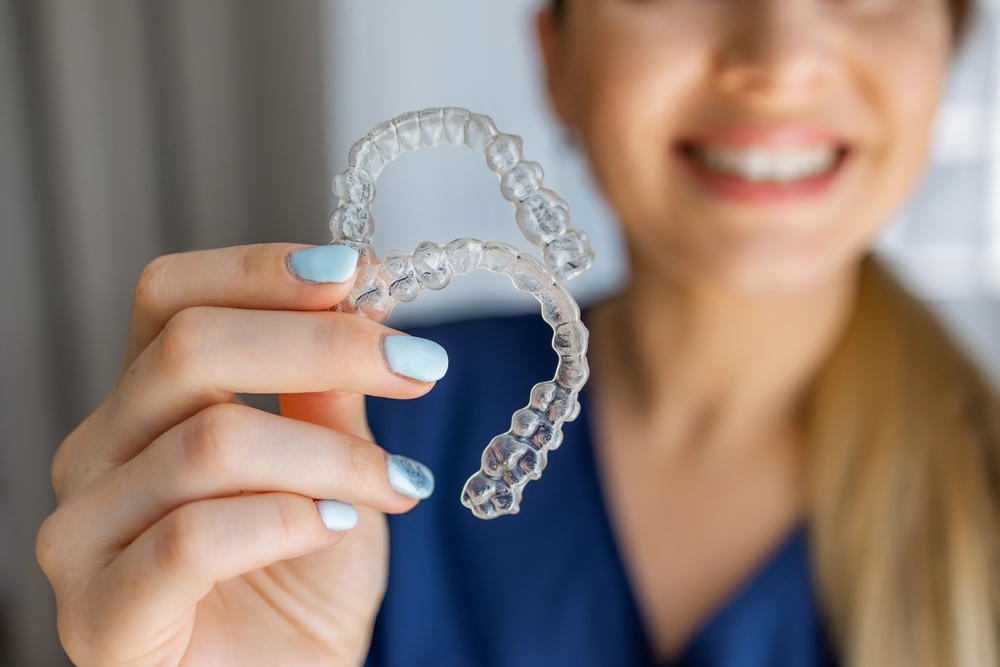
A lot of patients sit with misaligned teeth for years, not because they don’t want to fix them, but because conventional braces never felt like a realistic option for their lifestyle. At Maplewood Family Dental, Dr. Kevin Chidester, DMD, offers Invisalign as a clear, removable alternative that works for real schedules, real diets, and real life. This proven clear aligner system helps patients of all ages correct crowding, gaps, and bite issues with precision and without the brackets, wires, and restrictions that make traditional orthodontic treatment so difficult to commit to.
Invisalign
Who Is a Good Candidate for Invisalign
Invisalign works well for a broad range of patients, but it isn’t the right fit for everyone. Generally, good candidates are teens or adults with mild to moderate alignment issues, including crowded teeth, spaced teeth, crossbites, overbites, or underbites. Patients with severe skeletal problems or significantly rotated teeth may need traditional braces or a combined approach to get the best outcome. A clinical evaluation is the only way to know for certain whether clear aligners can address your specific concerns.
Commitment also plays a big role in candidacy. Because aligners are removable, the results depend heavily on how consistently you wear them. If you’re disciplined about keeping them in for 20 to 22 hours a day, Invisalign can be a highly effective option. Patients who are still in their growth phase may require a different orthodontic approach, which your provider can discuss with you during your consultation.
Benefits of Invisalign

What Your Invisalign Treatment Looks Like at Our Practice
Starting with a Thorough Evaluation
Your Invisalign experience starts with a thorough consultation to evaluate your teeth, bite, and alignment goals. Dr. Kevin Chidester, DMD, will review your dental history and determine whether clear aligners are the right fit for your needs. This appointment is also your opportunity to ask questions and learn what treatment will look like for you specifically.
Building a Plan Around Your Smile Goals
Once you’re confirmed as a candidate, digital scans or impressions of your teeth are taken to create a precise 3D model of your mouth. From there, a detailed treatment plan is developed that outlines every stage of your tooth movement. You’ll be able to preview your projected final results before your aligners are even manufactured.
Getting Started with Your First Set of Aligners
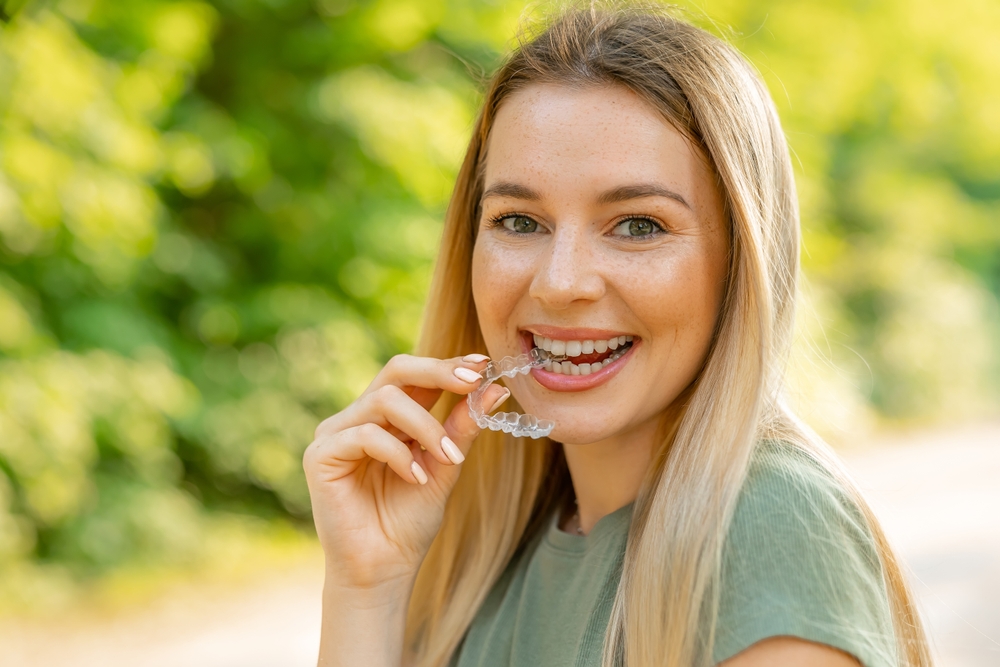
When your custom aligners arrive, you’ll receive a full set that covers multiple weeks of treatment at once. Each aligner is worn for about one to two weeks before moving on to the next in the series. You’ll wear them for 20 to 22 hours a day, removing them only to eat, drink anything other than water, and perform your oral hygiene routine.
Day-to-Day Care During Treatment
Keeping your aligners clean is an important part of getting the best results. Rinse them with lukewarm water and use a soft toothbrush to clean them daily and avoid hot water, which can warp the plastic. Storing them in their case when not in use protects them from damage and helps you avoid misplacing them.
Staying on Track with Regular Progress Reviews
Dr. Kevin Chidester, DMD, will schedule periodic check-ins throughout your treatment to monitor your progress and make sure everything is on track. These appointments are typically less frequent than traditional orthodontic visits, which many patients find convenient. If any adjustments to your plan are needed, your provider can address them quickly to keep your results moving in the right direction.
Why Choose Us for Invisalign
Invisalign is an orthodontic treatment, but at Maplewood Family Dental, it’s also part of a larger picture. Dr. Kevin Chidester, DMD, approaches clear aligner therapy with your overall dental health in mind, not just the alignment issue in front of him. Before recommending Invisalign, the team evaluates the full condition of your teeth and gums to make sure your mouth is healthy enough to support treatment. If there are underlying concerns like gum disease or untreated decay, those are addressed first so your Invisalign results are built on a solid foundation.
This full-scope approach means you’re not bouncing between multiple providers for different aspects of your care. Routine cleanings, restorative work, and Invisalign treatment can all be managed under one roof, which simplifies your schedule and keeps your dental records in one place. Patients who choose Maplewood Family Dental for Invisalign gain a provider who understands the complete context of their oral health and can make treatment decisions that account for the bigger picture, not just the immediate goal of straighter teeth.

FAQs
How much is Invisalign?
Invisalign costs typically fall between $3,000 and $8,000, with most cases landing somewhere in the middle depending on how complex the tooth movement is and how long treatment runs. Dental insurance plans with orthodontic benefits often apply to Invisalign the same way they would to braces. Your consultation at our practice will include a full cost breakdown so you know exactly what you’re committing to before anything begins.
How does Invisalign work?
Each Invisalign aligner is trimmed to apply targeted pressure on specific teeth, not your entire arch at once. This precision is made possible through digital treatment planning, which maps out every stage of movement before your first aligner is made. Small tooth-colored attachments are sometimes bonded to certain teeth to give the aligners better grip, particularly for rotations or larger movements that need more control.
How long does Invisalign take?
Mild spacing or crowding cases can wrap up in six to nine months, while moderate cases typically take 12 to 18 months. Complex bite corrections can extend beyond that. What most patients don’t expect is how much their own habits influence the timeline. Skipping even a few hours of wear each day compounds over weeks and can push back your projected end date more than most people realize.
Can Invisalign fix overbite?
Invisalign is FDA-cleared to treat overbites, and it does so using a combination of aligner movements and, in some cases, small elastics worn between the upper and lower teeth. Mild to moderate overbites respond well to this approach. Skeletal overbites, where the jaw itself is positioned incorrectly rather than just the teeth, may require orthopedic intervention or surgery that goes beyond what aligners alone can accomplish.
Does Invisalign hurt?
The discomfort patients feel with Invisalign is pressure-based, not pain-based. There’s nothing sharp or abrasive making contact with your cheeks or gums. That pressure is most noticeable in the first 24 to 48 hours after switching to a new aligner and tends to ease significantly after that. Patients who have worn braces before often describe Invisalign as noticeably more comfortable, though individual tolerance does vary.

A Consultation Today Means a Better Smile Tomorrow!
Teeth that fit together correctly are easier to clean, less prone to uneven wear, and far more comfortable to live with day to day. For many patients, that outcome also comes with a confidence they hadn’t felt in years. Dr. Kevin Chidester, DMD, and the team at Maplewood Family Dental are ready to map out exactly what it would take to get you there.
Start the conversation by phone at 919.438.3933 to set up your Invisalign consultation and get a clear picture of what treatment looks like for your specific smile. Our Facebook and Instagram pages are also a good place to see real patient experiences, get answers to common questions, and stay connected with the practice between visits.