Putting off a cracked or damaged tooth is easy to do, but our dental crowns in Raleigh can help prevent the damage from becoming more complicated. Dr. Kevin Chidester, DMD, at Maplewood Family Dental takes a direct, no-pressure approach to restorative dentistry, helping patients understand exactly what’s happening with their tooth decay or structural damage before any dental work begins. Our crowns are one of the most effective ways to stop that damage in its tracks, rebuilding the tooth’s natural structure while protecting it from bacterial buildup down the road.
Dental Crowns in Raleigh

When Dentists Recommend Dental Crowns Over Other Options
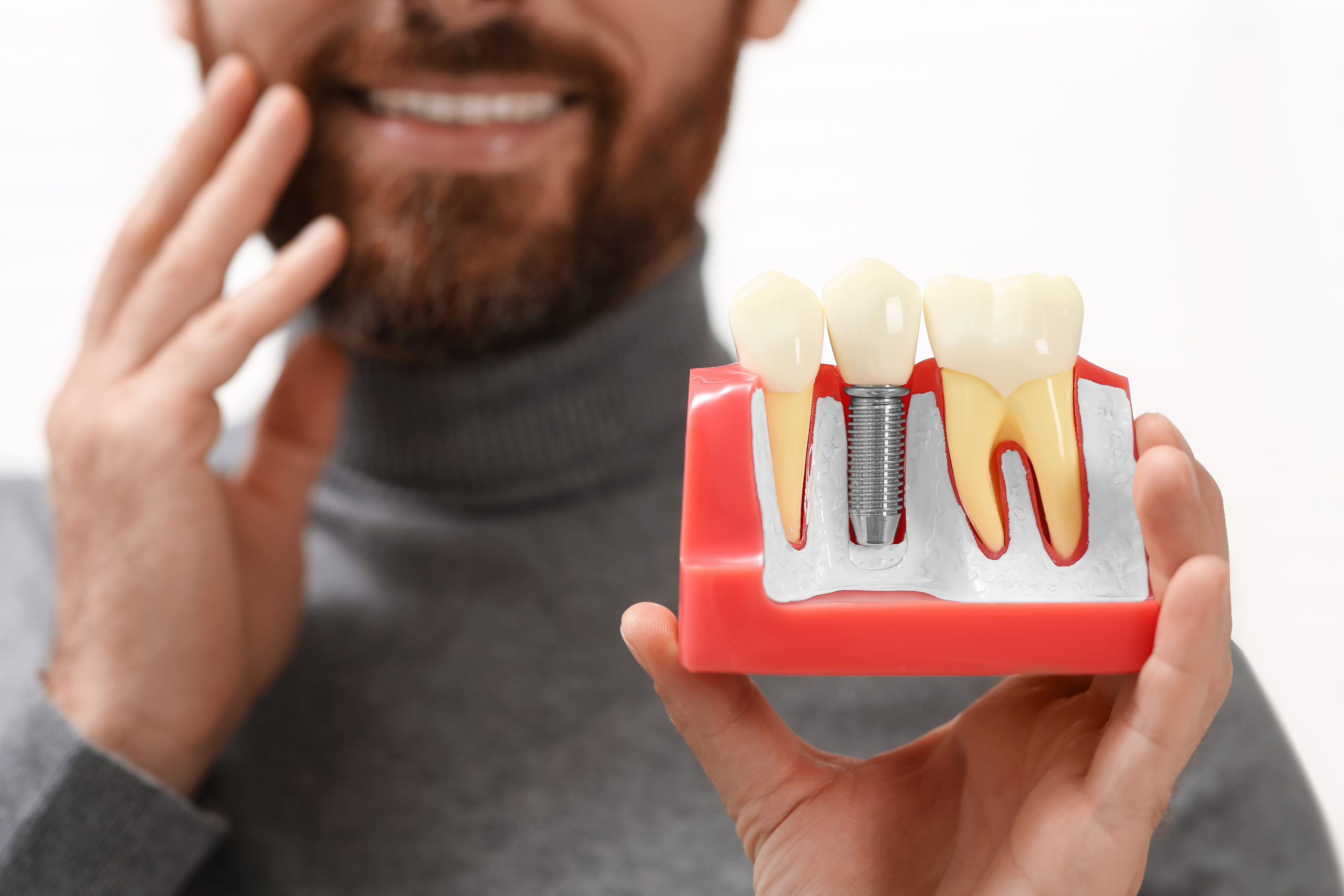
Dentists recommend crowns when a tooth has lost too much natural tooth structure for a filling or bonding to hold reliably. This typically includes cases of advanced tooth decay, a cracked tooth that extends beyond the surface, or significant structural damage from an old restoration breaking down. A veneer or filling addresses surface-level concerns; a crown addresses what’s happening underneath.
Crowns are also the standard recommendation after a root canal, since the treated tooth becomes more susceptible to cracking under normal biting pressure. Tooth discoloration caused by internal staining, beyond what dental cleanings or whitening can fix, is another case where a crown delivers a more lasting result. Regular dental check-ups are often what catch these issues early, before they require more involved dental care.
Benefits of Dental Crowns

How We Place Your Dental Crown at Maplewood Family Dental
A Thorough Exam Comes Before Any Dental Work is Discussed
Dr. Kevin Chidester, DMD begins with a detailed evaluation of the affected tooth, including X-rays to assess the extent of tooth decay, structural damage, or any issues not visible to the naked eye. This step determines whether a crown is the right fit or whether another form of dental care better addresses your needs. Nothing is recommended until the full picture is clear.
Dr. Chidester Explains Every Option Before Moving Forward
Once the exam is complete, Dr. Chidester walks you through the findings and outlines a treatment plan specific to your tooth’s condition and your oral health goals. He covers the crown material options best suited for your case and addresses any questions you have before scheduling the next dental visit. You leave with a clear understanding of what the dental procedure involves and what to expect.
We Take Impressions of the Tooth and Place a Temporary Crown the Same Day
The tooth is gently shaped to accommodate the crown, and precise impressions of the tooth are taken to guide the dental laboratory in crafting your permanent restoration. A temporary crown is placed over the prepared tooth to protect it while your permanent crown is being made. Once it’s ready, the temporary is removed, and the permanent crown is secured with dental cement and checked for fit, bite, and comfort.
Simple Habits That Keep Your Crown in Good Condition Long-Term
Caring for a crown doesn’t require a complicated routine. Consistent oral hygiene is enough to keep it in good shape. Avoiding hard foods and habits like chewing ice reduces unnecessary stress on the crown and the tooth underneath. Staying current with dental cleanings gives the dental team a regular opportunity to check the crown’s condition before small issues develop into larger ones.
Your Follow-Up Visit is Where We Confirm Everything is Working As It Should
A follow-up appointment gives Dr. Chidester the chance to evaluate how the crown is settling into your bite and confirm that biting pressure is distributed correctly. Any minor adjustments are handled at this visit so your crown functions comfortably from the start. Ongoing dental check-ups every six months keep the crown and your overall oral health monitored well into the future.
Why Choose Us
At Maplewood Family Dental, you’re not just another appointment on the schedule. Dr. Kevin Chidester, DMD brings both clinical skill and genuine care to every patient interaction, making sure you feel informed and comfortable throughout your dental care experience. The team uses modern equipment and proven techniques to deliver crowns that look great and last. From the moment you walk in to the day your crown is placed, every step is handled with attention to detail and respect for your time.
The practice is built on the belief that good dental care should be accessible and stress-free. Whether you’re coming in for routine checkups or a more involved restorative procedure, the team at Maplewood Family Dental creates an environment where patients of all backgrounds feel welcome. They take the time to explain each step of the process, answer your questions honestly, and help you understand the full picture of your oral health, so you can make confident, informed decisions about your smile.
FAQs
What happens to your tooth between the preparation and the final crown placement?
Once impressions of the tooth are taken and sent to the dental laboratory, a temporary crown is placed to protect the prepared tooth from sensitivity and bacterial buildup. It holds the natural tooth structure stable while the permanent crown is being made. Most patients wear the temporary for one to two weeks before their final placement appointment.
What does it feel like to chew on a crowned tooth for the first time?
Most patients notice an immediate improvement in comfort, particularly if the tooth had a damaged chewing surface or was causing pain before. Mild sensitivity to temperature or biting pressure in the first few days is normal and typically fades on its own. If the bite still feels off after a week, a minor adjustment at your dental practice resolves it quickly.
What oral hygiene habits matter most for a crowned tooth?
Brushing twice daily and flossing at the gum line around the crown are the habits that matter most. That junction between the crown and the tooth is where plaque tends to collect, making it the area most vulnerable to decay. Keeping up with dental cleanings ensures your dental team catches any buildup or fit issues before they affect the tooth underneath.
Can tooth decay still develop under a dental crown?
Yes, tooth decay can form at the margin where the crown meets the tooth, especially when oral hygiene is inconsistent. Bacteria that settle along the gum line can work their way under a crown that has begun to loosen over time. Regular dental check-ups are the most reliable way to catch early decay before it affects the natural tooth structure beneath.
What happens to your oral health if a damaged tooth goes untreated?
An untreated cracked tooth or one with active structural damage will continue to deteriorate. Bacterial buildup spreads, surrounding teeth are affected, and tooth loss becomes a real possibility. What starts as a manageable restorative dentistry case can quickly escalate into something far more involved. Dental check-ups exist to catch these situations early, when a crown can still protect what remains.
Protect Your Natural Smile With Our Dental Crowns in Raleigh, NC!
Your smile deserves care that’s both effective and lasting. Our dental crowns in Raleigh offer a trusted way to protect weakened teeth, restore natural function, and improve the appearance of your smile through one well-planned dental procedure. A crown can make a real difference whether you’re dealing with a cracked tooth, significant decay, or discoloration that affects your confidence.
Get in touch with Maplewood Family Dental at 919.438.3933 today and schedule a consultation with Dr. Kevin Chidester, DMD. You can also connect with the practice on Facebook and Instagram to stay up to date on tips, news, and patient stories. Your healthier smile is one appointment away, so book yours today.